Make the whole hand part of the routine
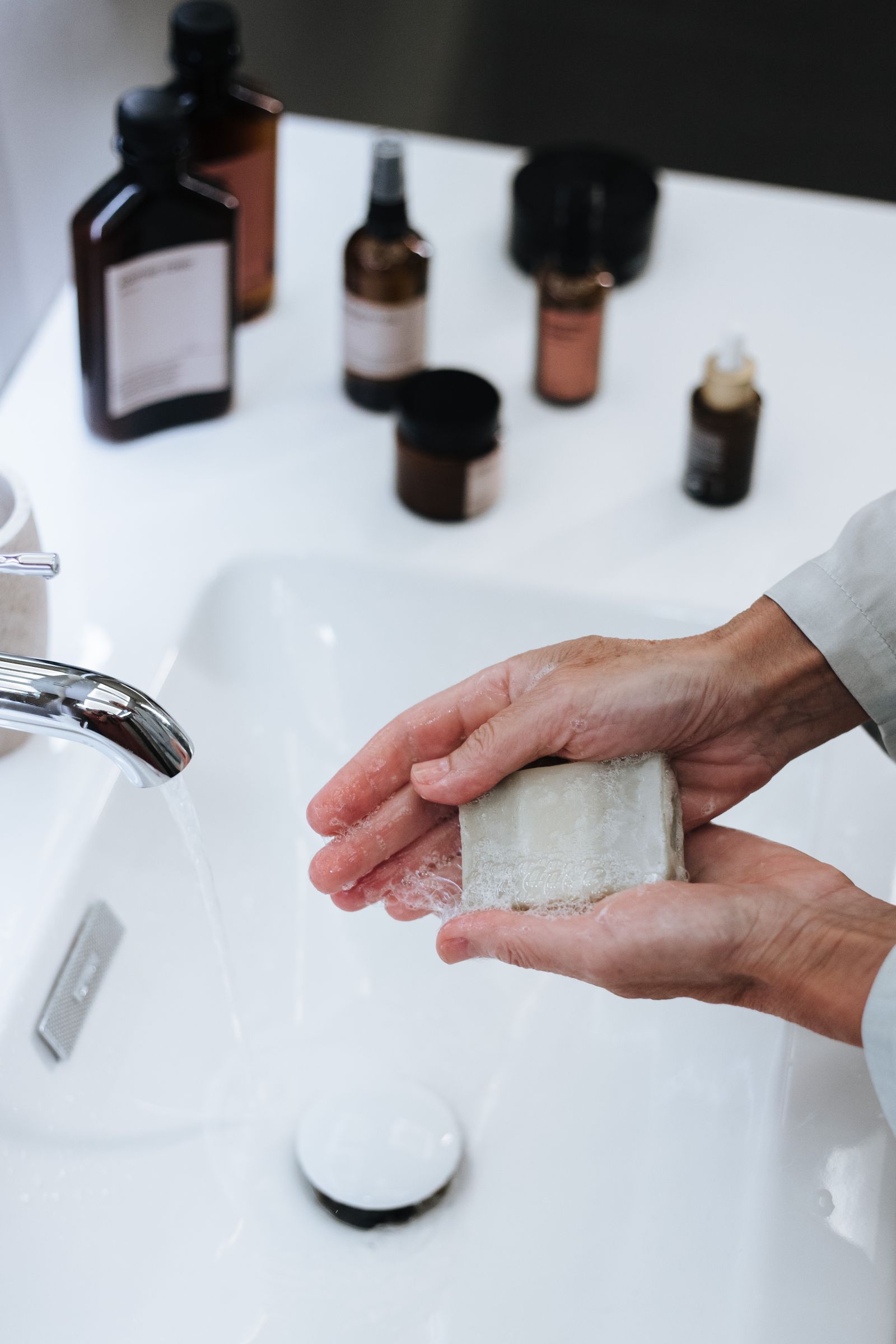
Wet your hands with clean running water, add soap and rub the palms, backs of the hands, spaces between fingers and around the nails. Scrub for at least 20 seconds, rinse and dry with a clean towel or an air dryer. It is easy to focus only on the palms when you are in a hurry.
Notice the moments that matter
Handwashing is particularly useful around preparing and eating food, after using the toilet and when hands are visibly dirty. At home, check that soap and a clean drying option are easy to reach. In a shared space, follow any additional instructions that apply to that setting.
Keep the habit practical
A routine is easier to remember when its supplies have a familiar place. Consider the sink you use most often and whether anything makes it inconvenient. Hand hygiene is one part of preventing the spread of germs; it does not replace every other precaution or the advice given in a healthcare setting.
Continue exploring: Making room for yourself.
Source & further reading
Centers for Disease Control and Prevention: About Handwashing. This article offers general information and practical reading prompts. It is not a personal care plan.